
Signed in as:
filler@godaddy.com
We offer a wide range of solutions to all of your biomedical equipment needs.
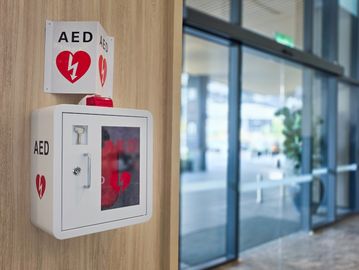
An AED (Automated External Defibrillator) is a life-saving medical device that must be properly maintained, tested, and ready for immediate use at all times. From a service and repair perspective, this includes routine inspections, battery and electrode replacement, software and firmware checks, performance verification, and prompt repair of any faults to ensure the device functions reliably during a cardiac emergency.
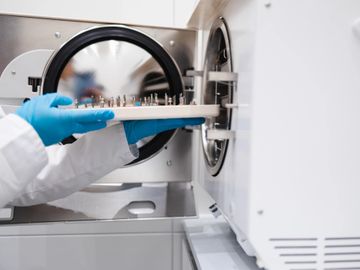
An autoclave is a critical sterilization device that uses high-pressure steam to eliminate bacteria, viruses, and spores from medical instruments. Proper maintenance includes routine calibration, verification of temperature and pressure, gasket and valve inspections, steam system checks, control system diagnostics, and timely repairs to ensure consistent sterilization performance and compliance with healthcare standards.
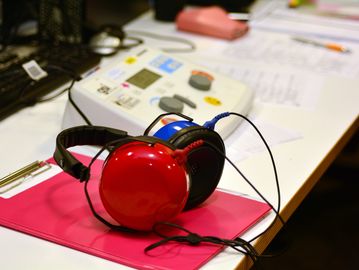
An audiometer is a diagnostic device used to evaluate a patient’s hearing sensitivity by generating precise tones and signals across a range of frequencies and intensities. Proper support includes calibration and accuracy verification, transducer and headphone inspection, software and control testing, electrical safety checks, and timely repair to ensure reliable hearing assessments and compliance with clinical standards.

Blanket warmers are medical devices used to keep blankets and linens at a safe, comfortable temperature for patient use, helping maintain body heat and comfort. Proper maintenance includes temperature accuracy checks, heating element and thermostat inspections, door and seal condition assessment, cleaning and safety verification, and prompt repairs to ensure reliable and safe operation.
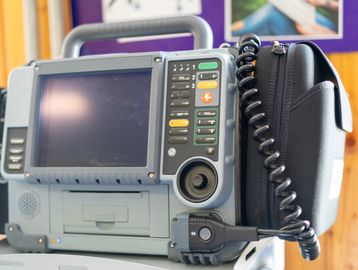
Defibrillators are essential life-saving devices used to deliver controlled electrical energy to restore normal heart rhythm during cardiac emergencies. From a service and repair perspective, this involves regular performance testing, energy output verification, battery and capacitor assessment, software checks, electrode and cable inspection, and prompt repair to ensure the device operates accurately, safely, and reliably when needed most.
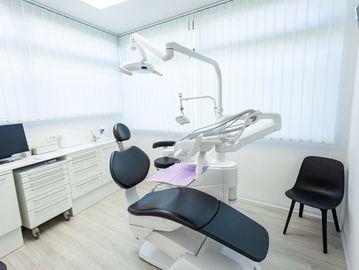
Dental chairs are specialized chairs designed to position patients comfortably and safely during dental procedures. Proper maintenance includes mechanical and hydraulic system inspections, control and motor testing, upholstery and accessory checks, electrical and safety system verification, and timely repairs to ensure reliable, precise, and safe operation in the dental clinic.
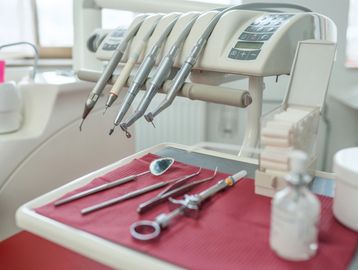
Dental handpieces are high-speed or low-speed rotary instruments used by dentists for procedures such as drilling, polishing, and cutting. Proper maintenance includes lubrication, sterilization, bearing and turbine inspection, chuck and attachment checks, and performance testing to ensure smooth, reliable, and safe operation during patient care.
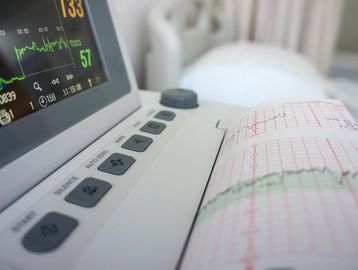
EKG (Electrocardiogram) machines are diagnostic devices used to measure and record the heart’s electrical activity. Proper support includes lead-wire and electrode integrity checks, signal-accuracy verification, calibration, software and connectivity testing, and troubleshooting of display or acquisition issues to ensure reliable, high-quality cardiac monitoring.
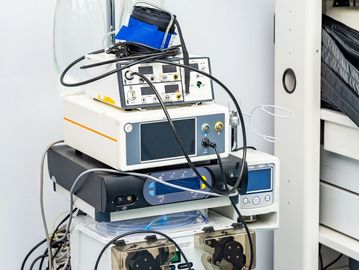
ESUs (Electrosurgical Units) are critical surgical devices used to cut tissue and control bleeding using high-frequency electrical energy. Maintenance includes verifying power output and waveform, performing safety and leakage testing, monitoring return electrodes, inspecting accessories, calibrating, and promptly repairing to ensure safe, precise, and compliant operation in the operating room.

Fluid warmers are medical devices used to heat intravenous fluids or blood products to body temperature before administration, helping prevent hypothermia in patients. Proper maintenance includes temperature accuracy verification, heating element and sensor checks, alarm and safety system testing, cleaning and fluid pathway inspection, and timely repairs to ensure safe and consistent operation.
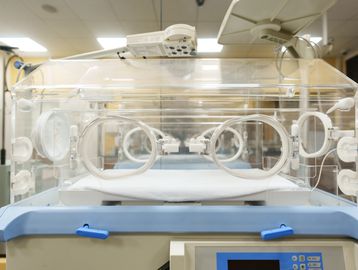
ncubators are medical devices used to provide a controlled, stable environment of temperature, humidity, and oxygen for newborns or patients requiring specialized care. Proper maintenance includes temperature and humidity calibration, alarm and sensor testing, electrical and mechanical system inspection, cleaning and sterilization checks, and timely repairs to ensure safe, reliable, and consistent operation.
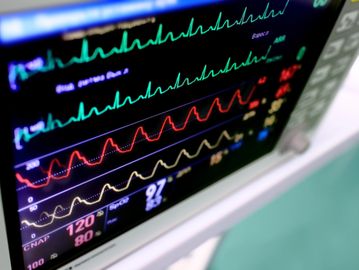
Patient monitors are vital medical devices used to continuously track a patient’s physiological parameters such as heart rate, blood pressure, oxygen saturation, and respiration. Proper maintenance includes parameter accuracy verification, alarm testing, sensor and cable inspection, software and network connectivity checks, battery testing, and corrective repairs to ensure accurate monitoring, reliable alerts, and continuous patient safety.
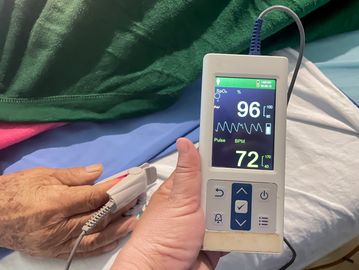
Pulse oximetry devices are noninvasive monitoring tools used to measure a patient’s oxygen saturation and pulse rate. Proper maintenance includes sensor and cable inspection, accuracy and calibration verification, alarm testing, software checks, and troubleshooting of signal or display issues to ensure reliable, continuous oxygen monitoring and patient safety.
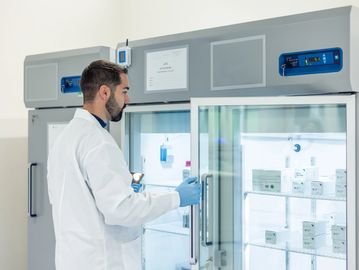
Refrigeration units are medical-grade devices used to store medications, vaccines, blood products, and other temperature-sensitive items at precise, controlled temperatures. Proper maintenance includes temperature accuracy verification, compressor and cooling system inspection, door seal and gasket checks, alarm and monitoring system testing, and timely repairs to ensure safe, reliable storage and regulatory compliance.
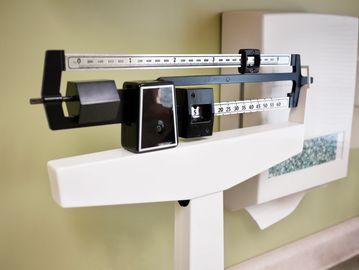
Medical scales are measurement devices used to accurately determine a patient’s weight for clinical assessment and medication dosing. Proper maintenance includes calibration and accuracy verification, load cell and mechanical inspection, display and control testing, power and battery checks, and corrective repairs to ensure precise, reliable measurements and regulatory compliance.
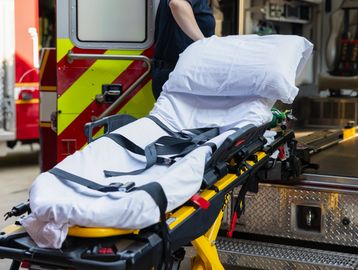
Stretchers are mobile patient transport devices used to safely move patients within healthcare facilities. Proper maintenance includes frame and caster inspections, brake and locking mechanism checks, mattress and strap condition assessment, hydraulic or pneumatic system testing, and prompt repairs to ensure safe, reliable, and smooth patient transport.
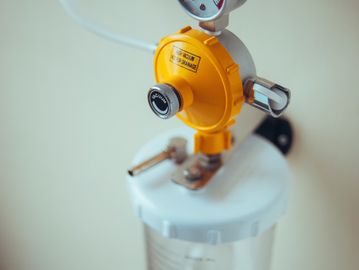
Suction pumps are medical devices used to remove fluids, secretions, or debris from a patient’s airway or surgical site. Proper maintenance includes vacuum level and flow rate verification, tubing and collection canister inspection, filter and valve valves, testing the motor and battery, and performing timely repairs to ensure safe, reliable, and effective operation.
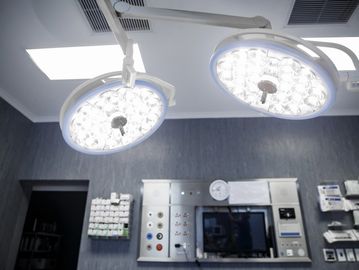
Surgical lights are specialized lighting systems that provide bright, shadow-free illumination of the surgical field. Proper maintenance includes bulb or LED performance checks, intensity and focus calibration, mechanical arm and mounting inspections, electrical system testing, and prompt repairs to ensure consistent, reliable, and safe illumination during procedures.

Surgical tables are adjustable platforms designed to position patients safely and optimally during surgical procedures. Proper maintenance includes mechanical and hydraulic system inspections, weight capacity and stability checks, control and motor testing, surface and accessory inspections, and timely repairs to ensure safe, reliable, and precise operation in the operating room.
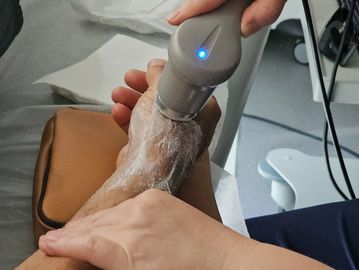
Therapeutic ultrasound devices are used in physical therapy and rehabilitation settings to deliver high-frequency sound waves that promote tissue healing, reduce pain, and improve circulation. Proper maintenance includes output intensity and frequency verification, applicator head inspection, calibration testing, electrical safety checks, control panel and software diagnostics, and timely repairs to ensure safe, accurate, and effective treatment delivery.

Thermometers are medical devices used to measure a patient’s body temperature for clinical assessment and diagnosis. Proper maintenance includes accuracy verification and calibration checks, probe and sensor inspection, display and control testing, battery and power assessment, and timely replacement of worn components to ensure precise, reliable temperature readings.
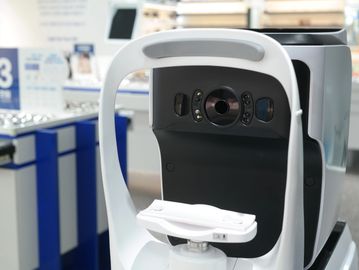
A vision screener is a diagnostic device used to quickly assess visual acuity and identify potential vision issues such as refractive errors or eye alignment problems. Proper support includes calibration and alignment checks, display and optics inspections, software verification, power and battery testing, and corrective repairs to ensure accurate, reliable vision-screening results.